When is tough to be a bug closing? Sometimes bugs can be relentless, causing frustration and delays in projects. However, by implementing effective bug tracking and resolution strategies, such as thorough testing and collaboration among team members, the process can be smoother. Identifying bugs early on and addressing them promptly can prevent them from escalating into major issues later. Let’s explore how to navigate the challenges of bug fixing and ensure a successful project outcome.

When it’s Tough to Be a Bug Closing
The Importance of Bugs in the World
Bugs may be tiny, but they play a huge role in our world. From buzzing bees that help pollinate plants to industrious ants that work together in colonies, bugs are essential to maintaining a healthy ecosystem. However, sometimes bugs can find themselves in tough situations, especially when it comes to facing a challenge known as bug closing.
What is Bug Closing?
Bug closing is a term used to describe the struggles bugs face when their natural habitats are disturbed or destroyed. This can happen for a variety of reasons, such as human activities like deforestation, pollution, or climate change. When bugs experience bug closing, they often struggle to find food, shelter, and mates, leading to a decline in their populations.
The Impact of Bug Closing on Different Bug Species
Different bug species respond to bug closing in various ways. Some bugs, like butterflies, may find it challenging to locate specific plants they rely on for food and reproduction. Bees, essential pollinators for many plants, may struggle to find enough flowers to gather nectar and pollen. Other bugs, like beetles or ants, may face difficulties in protecting their colonies or finding suitable nesting sites.
Common Causes of Bug Closing
There are several reasons why bug closing occurs, each with its own set of challenges for bug populations.
Deforestation
Deforestation, the clearing of forests for agriculture, urban development, or logging, is a major cause of bug closing. Bugs that rely on trees for food, shelter, or breeding sites can suffer greatly when their habitats are destroyed.
Pollution
Pollution from human activities can also lead to bug closing. Insects are highly sensitive to changes in their environment, and pollutants like chemicals or plastics can harm bug populations and disrupt their life cycles.
Climate Change
Climate change is another significant factor contributing to bug closing. Rising temperatures, changes in rainfall patterns, and extreme weather events can impact bug populations, forcing them to adapt or face decline.
The Challenges Bugs Face During Bug Closing
When bugs experience bug closing, they encounter several challenges that can threaten their survival.
Loss of Habitat
One of the most significant challenges bugs face during bug closing is the loss of their natural habitat. Without suitable places to live, feed, and reproduce, bug populations can dwindle.
Food Scarcity
For bugs that rely on specific plants or other insects for food, bug closing can lead to food scarcity. This can weaken bugs, making them more vulnerable to predators or diseases.
Competition for Resources
As bug populations decline due to bug closing, the remaining bugs may face increased competition for resources like food, water, or nesting sites. This competition can further stress bug populations.
How We Can Help Bugs Facing Bug Closing
While bug closing is a significant challenge for bugs, there are steps we can take to help them overcome these difficulties and thrive in their environments.
Conservation Efforts
Supporting conservation efforts that protect natural habitats, such as parks, reserves, or wildlife corridors, can provide bugs with the space they need to survive and reproduce.
Reducing Pollution
Taking action to reduce pollution in our environment, such as properly disposing of waste, using eco-friendly products, and reducing our carbon footprint, can help protect bug populations from the harmful effects of pollution.
Planting Native Plants
Planting native plants in our gardens and green spaces can provide bugs with essential food sources and shelter. Native plants are well-adapted to local bug species and can help support their populations.
Education and Awareness
Educating ourselves and others about the importance of bugs in the ecosystem and the threats they face can raise awareness and support for bug conservation efforts.
In conclusion, bug closing is a significant challenge that bugs around the world face due to human activities and environmental changes. By understanding the impact of bug closing on bug populations and taking steps to protect and support them, we can help ensure that bugs continue to play their vital roles in our ecosystems. Together, we can make a difference in the lives of bugs facing bug closing.
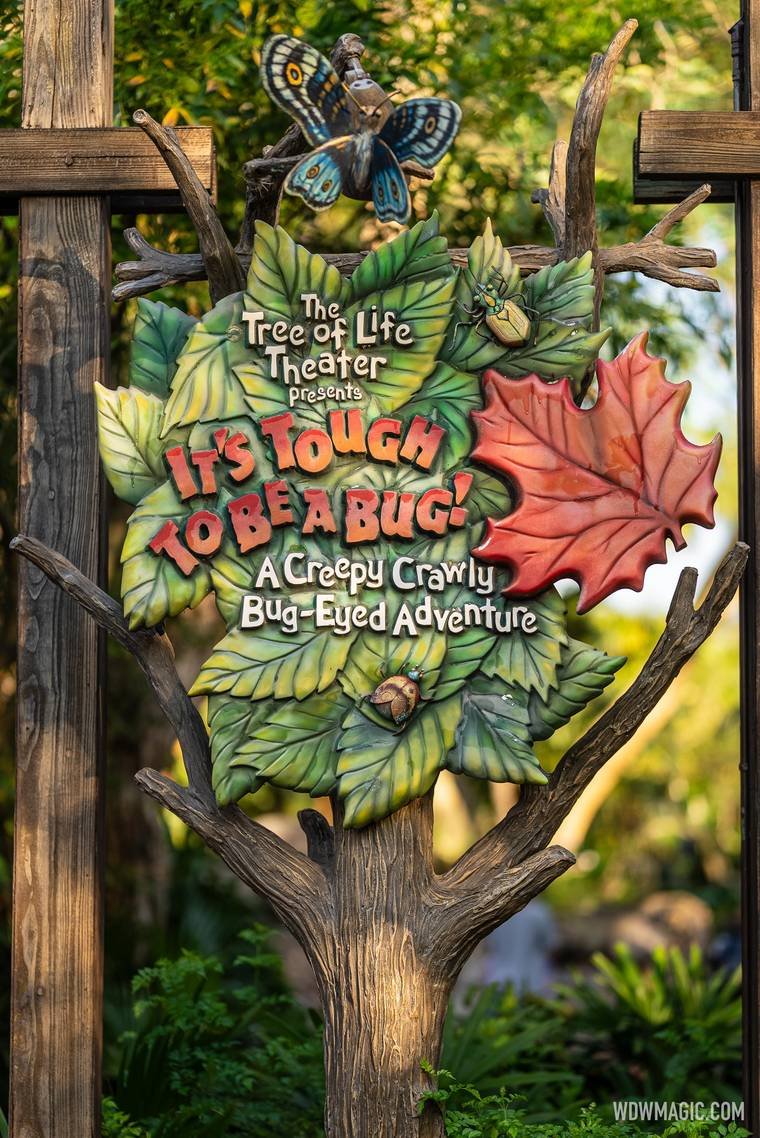
Closing Date for It's Tough To Be A Bug at Disney World
Frequently Asked Questions
What is the closing time for “It’s Tough to be a Bug” show?
The closing time for the “It’s Tough to be a Bug” show varies depending on the day and season. It is recommended to check the latest schedule on the official website or inquire with the park staff for the most up-to-date information.
Are there any specific days when “It’s Tough to be a Bug” show closes earlier?
Yes, there may be specific days when the “It’s Tough to be a Bug” show closes earlier than usual, especially during holidays, special events, or for maintenance purposes. It is advisable to plan your visit accordingly and check the closing times in advance.
Can the closing time of “It’s Tough to be a Bug” show be extended on certain occasions?
Yes, there are instances where the closing time of the “It’s Tough to be a Bug” show may be extended, such as during peak seasons, special promotions, or for nighttime shows. It is recommended to stay updated with any announcements or changes in the schedule.
Final Thoughts
Navigating the world as a tiny bug may seem challenging, but there are moments when it becomes even tougher. When is tough to be a bug closing, facing threats from larger predators and harsh environmental conditions can be overwhelming. Despite these challenges, bugs display remarkable resilience and adaptability. In the face of adversity, they continue to thrive and fulfill their essential roles in the ecosystem. Next time you encounter a bug, remember the strength it takes to survive when is tough to be a bug closing.