

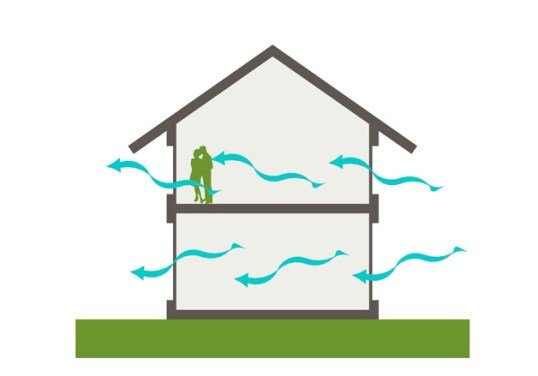
When performing wind assisted natural horizontal ventilation, windows and doors play a crucial role in optimizing airflow and indoor air quality. Proper utilization of these openings can enhance ventilation efficiency and create a more comfortable living or working environment. By strategically positioning windows and doors to harness the power of natural wind currents, you can effectively ventilate your space without relying on mechanical systems. Let’s explore how to maximize the benefits of wind assisted natural horizontal ventilation through smart window and door management.

When Performing Wind Assisted Natural Horizontal Ventilation, Windows and Doors:
The Importance of Proper Ventilation
Ventilation is a crucial aspect of maintaining a healthy and comfortable indoor environment. When it comes to natural ventilation, utilizing wind assistance can be a sustainable and effective way to ensure proper air circulation. In this article, we will explore the role of windows and doors in wind-assisted natural horizontal ventilation and how they can impact the overall airflow in a building.
Understanding Wind Assisted Natural Horizontal Ventilation
Before delving into the specifics of windows and doors, let’s first understand what wind-assisted natural horizontal ventilation means. This type of ventilation relies on the natural movement of air caused by wind to help circulate fresh air throughout a space. By strategically placing openings such as windows and doors, we can harness the power of the wind to facilitate airflow and remove stale indoor air.
The Role of Windows in Ventilation
Windows are key components in wind-assisted natural horizontal ventilation. When designing a building for optimal airflow, the placement and size of windows play a significant role. By opening windows strategically, you can create pathways for the wind to enter and exit, promoting cross-ventilation.
Types of Windows for Effective Ventilation
Not all windows are created equal when it comes to ventilation. Casement windows, awning windows, and hopper windows are particularly effective in capturing breezes and directing them into the building. These types of windows allow for precise control over the airflow while also providing security and weatherproofing.
The Impact of Doors on Ventilation
Doors are another essential element to consider in wind-assisted natural horizontal ventilation. While doors are often meant for privacy and security, they can also be utilized to facilitate airflow. Properly positioning doors can create pathways for air to move through different rooms, enhancing ventilation efficiency.
Tips for Using Doors for Ventilation
To maximize the ventilation potential of doors, consider leaving them partially open during windy conditions. This allows for a steady flow of fresh air while preventing drafts or excessive heat loss. Additionally, installing screen doors can help keep insects out while still allowing air to circulate freely.
Optimizing Ventilation with Windows and Doors
When it comes to wind-assisted natural horizontal ventilation, the synergy between windows and doors is key to optimizing airflow. By strategically opening windows and doors in conjunction with the direction of the wind, you can create a continuous loop of fresh air circulating through the space.
Maintaining Indoor Air Quality
Proper ventilation not only helps regulate temperature but also plays a crucial role in maintaining indoor air quality. By allowing for the exchange of indoor and outdoor air, windows and doors can reduce pollutants, odors, and excess moisture inside the building. This leads to a healthier and more comfortable living or working environment.
Energy Efficiency Considerations
In addition to improving indoor air quality, wind-assisted natural horizontal ventilation can also contribute to energy efficiency. By harnessing natural wind currents, you can reduce the need for mechanical cooling systems, ultimately lowering energy consumption and utility costs. This eco-friendly approach aligns with sustainable building practices and benefits both the occupants and the environment.
In conclusion, when performing wind-assisted natural horizontal ventilation, windows and doors play a critical role in promoting effective air circulation and maintaining a healthy indoor environment. By understanding the principles of airflow and strategically utilizing openings, you can harness the power of the wind to create a more comfortable and sustainable living or working space. Remember to consider the placement, type, and operation of windows and doors to optimize ventilation efficiency and maximize the benefits of natural airflow.
Fire on Board: Ventilation and Flow Path Management
Frequently Asked Questions
What factors should be considered before opening windows and doors for wind-assisted natural horizontal ventilation?
Before opening windows and doors for wind-assisted natural horizontal ventilation, consider the direction and speed of the wind, the indoor air quality, and the desired airflow pattern. Ensuring proper cross-ventilation is essential for effective ventilation.
How can windows and doors be strategically positioned to optimize wind-assisted natural horizontal ventilation?
To optimize wind-assisted natural horizontal ventilation, position windows and doors on opposite sides of the space to allow for cross-ventilation. Additionally, consider opening windows and doors at different heights to create a stack effect that promotes air circulation.
What are some ways to enhance the effectiveness of wind-assisted natural horizontal ventilation through windows and doors?
To enhance the effectiveness of wind-assisted natural horizontal ventilation, use window and door vents or louvers to control the direction and speed of incoming air. Installing window fans or using window coverings to direct airflow can also help improve ventilation.
Final Thoughts
When performing wind-assisted natural horizontal ventilation, windows and doors play a crucial role. Properly positioning windows and doors according to the wind direction is essential to maximize airflow. Ensure that windows and doors are open on opposite sides to create cross ventilation. Remember to adjust openings based on wind speed and direction for optimal results. Effective use of windows and doors is key to harnessing the power of natural ventilation effectively.


