

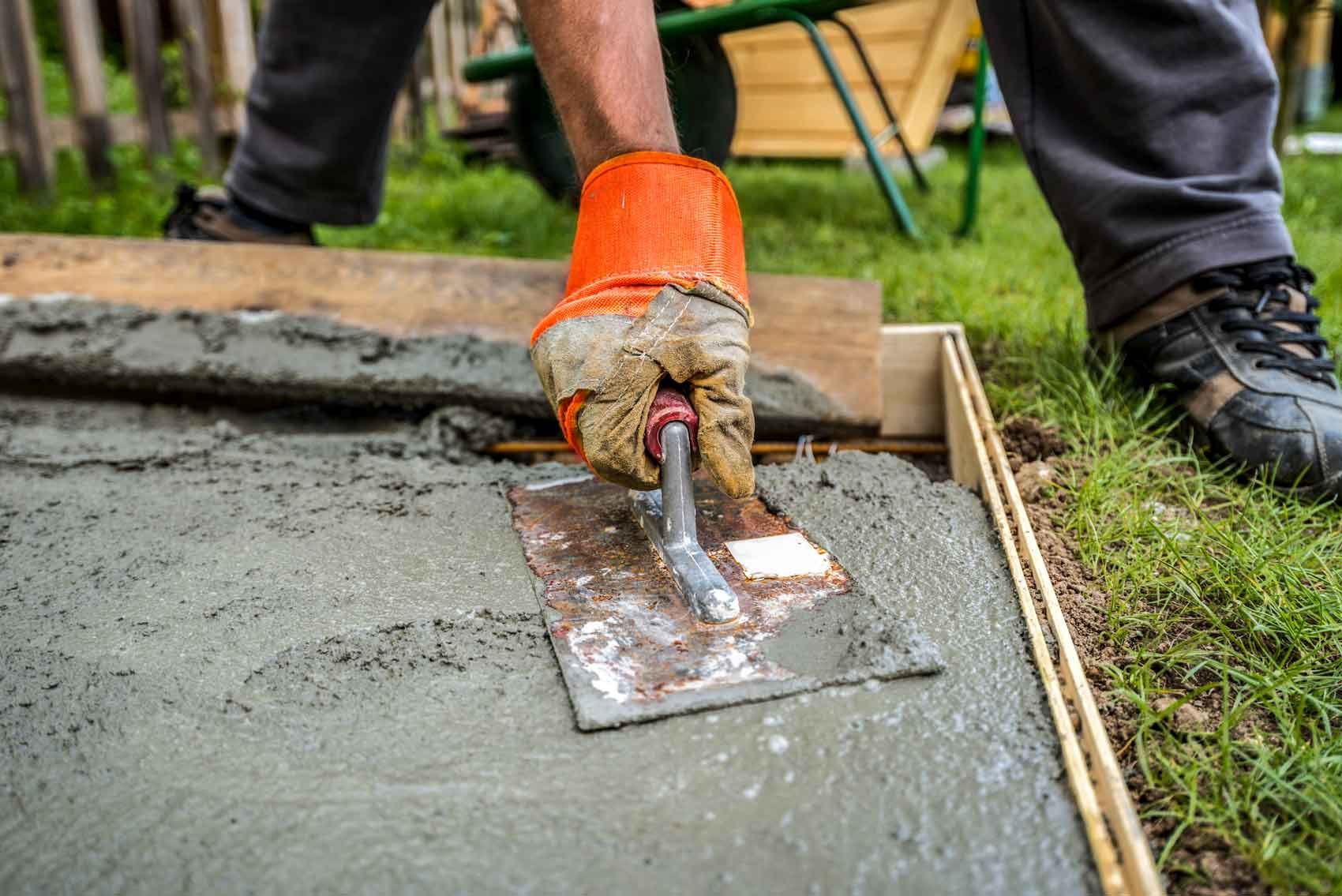
Sealing new concrete is crucial for protecting its longevity and enhancing its appearance. Timing is key when it comes to sealing fresh concrete to ensure optimal results. The general rule of thumb is to seal new concrete 30 days after installation, allowing it to properly cure and harden. However, factors like weather conditions and the type of sealant used can influence the timing. Knowing when to seal new concrete can make a significant difference in its durability and overall performance.

When to Seal New Concrete: A Complete Guide
So, you’ve just had a beautiful new concrete patio, driveway, or sidewalk installed. It looks fresh and pristine, but there’s an important step you shouldn’t overlook – sealing the concrete. Knowing when to seal new concrete is crucial to protect and preserve its appearance and durability for years to come. In this comprehensive guide, we’ll walk you through everything you need to know about when and how to seal new concrete.
Why Seal New Concrete?
Before we dive into when to seal new concrete, let’s first understand why sealing is essential. Concrete is a porous material, which means it can absorb liquids like water, oil, and chemicals. Sealing the concrete creates a protective barrier that helps prevent staining, cracking, and damage from exposure to the elements. It also enhances the color and longevity of the concrete surface, making it look newer for longer.
Factors to Consider Before Sealing
Before you decide when to seal your new concrete, there are a few key factors to consider:
1. Cure Time
Concrete needs time to cure and fully harden before sealing. Typically, newly poured concrete should cure for at least 28 days before applying a sealer. Rushing this process can lead to trapped moisture and improper curing, which can affect the sealer’s adhesion and the concrete’s long-term durability.
2. Weather Conditions
It’s crucial to choose the right time to seal new concrete based on weather conditions. Avoid sealing concrete during extreme temperatures – too hot or too cold – as this can interfere with the sealer’s application and bonding. Opt for a mild, dry day with moderate temperatures for the best results.
3. Type of Concrete Surface
The type of concrete surface you’re sealing will also determine when to seal it. For exterior surfaces like driveways and patios, it’s essential to wait until the concrete is fully cured and free of any stains or contaminants. Interior concrete surfaces, like basement floors, may require sealing sooner, depending on the desired finish.
Signs That Your Concrete Needs Sealing
Even if your new concrete surface has cured for the recommended time, there are specific signs that indicate it’s ready to be sealed:
1. Water Absorption
If water beads on the surface of the concrete instead of being absorbed, it’s a good indication that the concrete is ready to be sealed. This demonstrates that the concrete is dense and cured enough to hold the sealer effectively.
2. Color Change
Over time, you may notice that the color of your concrete surface is fading or becoming dull. Sealing the concrete can help restore and enhance the color, giving it a fresh look.
3. Stain Resistance
If you notice that spills or stains are easily absorbed into the concrete, it’s a clear sign that the surface is porous and requires sealing. A quality sealer will create a protective barrier that repels stains and makes cleaning easier.
How to Seal New Concrete
Once you’ve determined that your new concrete is ready to be sealed, it’s time to choose the right sealer and follow these steps:
1. Clean the Surface
Before sealing, ensure the concrete surface is clean and free of any dirt, debris, or stains. Use a pressure washer or suitable cleaning solution to thoroughly clean the surface and allow it to dry completely.
2. Choose the Right Sealer
There are various types of sealers available, including acrylic sealers, penetrating sealers, and epoxy coatings. Select a sealer that is suitable for your specific concrete surface and desired finish.
3. Apply the Sealer
Follow the manufacturer’s instructions for applying the sealer. Use a brush, roller, or sprayer to evenly coat the concrete surface, ensuring complete coverage. Allow the sealer to dry according to the recommended drying time.
4. Maintain the Sealed Concrete
Regular maintenance is key to preserving the sealed concrete surface. Clean the surface periodically using a mild detergent and water to remove dirt and grime. Avoid using harsh chemicals or abrasive cleaners that can damage the sealer.
Knowing when to seal new concrete is essential for protecting and enhancing the longevity of your concrete surfaces. By considering factors like cure time, weather conditions, and signs that indicate the need for sealing, you can ensure that your concrete remains in top condition for years to come. Remember to choose the right sealer, follow proper application techniques, and maintain the sealed concrete regularly to enjoy its benefits for the long term.
Don’t wait too long to seal your new concrete – start planning today to keep your surfaces looking fresh, vibrant, and well-protected!
For more tips and expert advice on concrete maintenance, stay tuned for our upcoming blog posts!
Sealing New Concrete | Bonus Video – Sealing Concrete
Frequently Asked Questions
When is the best time to seal new concrete?
Sealing new concrete is typically recommended once the surface has fully cured, which can take anywhere from 28 to 30 days after it has been poured. It is crucial to wait for this curing period to allow the concrete to reach its maximum strength and ensure optimal adhesion of the sealer.
Why is it important to seal new concrete?
Sealing new concrete helps to protect the surface from moisture penetration, oil stains, chemicals, and other contaminants that can cause damage. It also enhances the concrete’s durability, makes it easier to clean, and can enhance its appearance by bringing out the color and texture.
Can I seal new concrete too soon?
Sealing new concrete too early, before it has fully cured, can trap moisture and air within the concrete, leading to potential issues such as blistering, peeling, or hazing of the sealer. Waiting for the recommended curing time helps in avoiding such problems and ensures a proper seal.
What is the process of sealing new concrete?
The process of sealing new concrete involves cleaning the surface thoroughly, allowing it to dry completely, applying the sealer evenly using a brush or roller, and letting it cure as per the manufacturer’s instructions. It is crucial to follow the recommended application and drying guidelines for the sealer to be effective.
Final Thoughts
It is crucial to wait for the right time to seal new concrete. Ideally, you should seal the concrete once it has cured for about 28 days, ensuring it is fully dry. Sealing too early can lead to issues such as bubbling and a weakened bond with the concrete surface. By waiting for the right moment to seal new concrete, you can ensure a strong and durable finish that will last for years to come.


